

What the study found
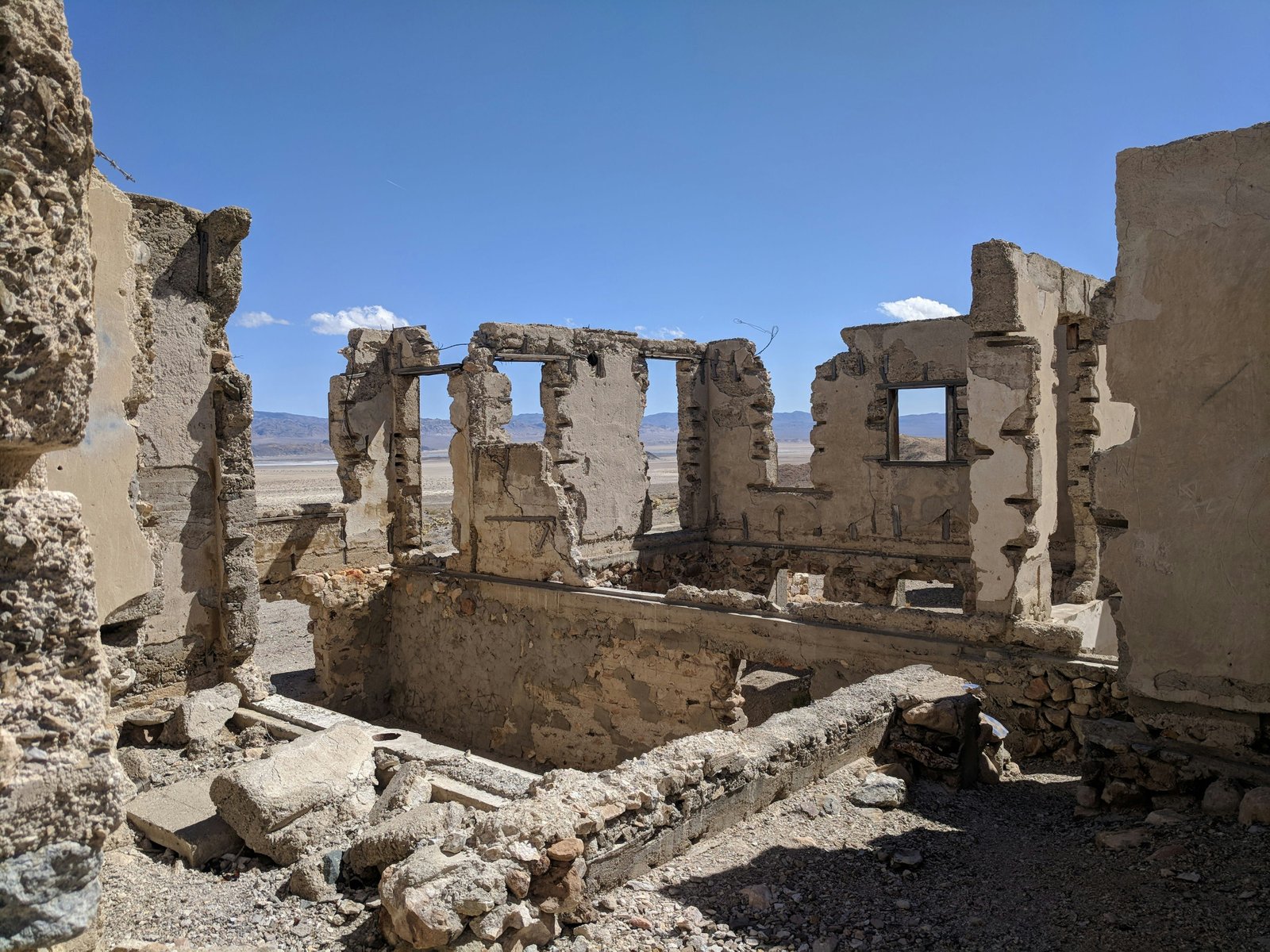
Mimbres Classic period communities in southwestern New Mexico used insularity, meaning inward-oriented social and cultural practices, as a way to maintain cohesion and a culturally bounded world. The authors argue that architecture, painted ceramics, mortuary practices, and controlled interaction helped localize sacred authority and limit outside connections.
Why the authors say this matters
The authors conclude that the study challenges models that treat social organization as mainly a matter of scale or connectivity. The findings indicate that inward-oriented strategies can produce resilient, though historically contingent, cultural frameworks.
What the researchers tested
The study examines Mimbres insularity in relation to broader regional developments in North America. It draws on theories of boundary maintenance and ritual sovereignty, and it compares Mimbres society with Chaco Canyon, a region known for monumentality and social hierarchy.
What worked and what didn't
The abstract says distinctive architecture, painted ceramics, mortuary practices, and regulated interaction were used to sustain social coherence through household ritual and symbolic regulation. It also states that this insularity was not fixed or absolute: it emerged in the AD 900s, peaked during the Classic period, and receded after AD 1130 as communities relocated and engaged with new material traditions and regional networks.
What to keep in mind
The available summary does not provide detailed limitations beyond the statement that Mimbres insularity changed over time and was historically contingent. The abstract also does not describe specific data sets or how each material practice was measured beyond the general categories named.
Key points
- Mimbres communities used inward-oriented practices to maintain social cohesion.
- The authors link architecture, painted ceramics, mortuary practices, and regulated interaction to localized sacred authority.
- The study contrasts Mimbres social organization with Chaco Canyon’s monumentality and hierarchy.
- Insularity is described as emerging in the AD 900s, peaking in the Classic period, and receding after AD 1130.
- The authors argue that social organization is not determined only by scale or connectivity.
Disclosure
- Research title:
- Mimbres society used insularity as a cultural strategy
- Publication date:
- 2026-01-28
- OpenAlex record:
- View
Get the weekly research newsletter
Stay current with peer-reviewed research without reading academic papers — one filtered digest, every Friday.