

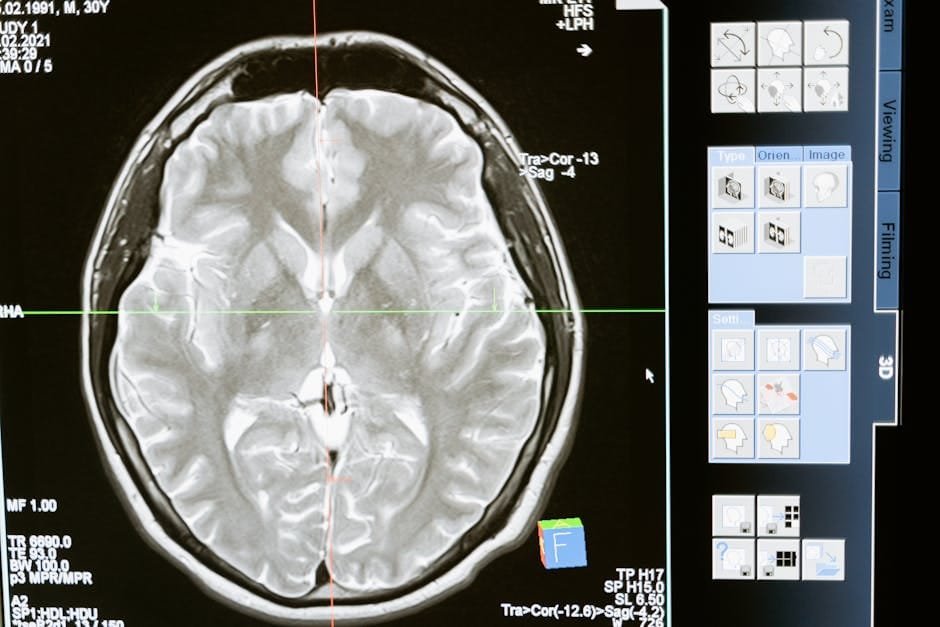
What the study found: Higher basal ganglia perivascular spaces (PVS; fluid-filled spaces around small blood vessels in the brain) were independently associated with worse longitudinal executive function and visuospatial skills over time.
Why the authors say this matters: The study suggests that PVS are an emerging marker of domain-specific cognitive decline in aging, and the authors conclude that the findings support PVS as a vascular contributor to deep brain structure damage underlying cognitive decline over time.
What the researchers tested: The article examined the association of MRI-visible PVS with longitudinal cognitive decline over a decade.
What worked and what didn't: Basal ganglia PVS burden was reported to contribute independently to worse longitudinal executive function and visuospatial skills, even after accounting for other small vessel disease (SVD; damage to the brain's small blood vessels) markers. The abstract does not provide further detail on null findings for other cognitive domains.
What to keep in mind: Causation cannot be established from these findings. The available summary does not describe additional limitations, sample details, or methods beyond the decade-long MRI-linked association.
Key points
- Higher basal ganglia PVS were independently associated with worse long-term executive function.
- Higher basal ganglia PVS were independently associated with worse long-term visuospatial skills.
- The association remained after accounting for other small vessel disease markers.
- The authors describe PVS as a possible marker of domain-specific cognitive decline in aging.
- The abstract says causation cannot be established.
Disclosure
- Research title:
- Basal ganglia PVS linked to worse cognitive decline
- Image credit:
- Photo by MART PRODUCTION on Pexels
Get the weekly research newsletter
Stay current with peer-reviewed research without reading academic papers — one filtered digest, every Friday.