

What the study found
Southern hairy-nosed wombats from areas exposed to dingoes were more likely to investigate scent cues in general than wombats from areas without dingoes. In both locations, the wombats were more likely to investigate dingo scent than rabbit scent.
Why the authors say this matters
The authors say the findings offer foundational insight into experience-based predator responses in southern hairy-nosed wombats. They conclude this helps improve understanding of prey naivety, meaning reduced recognition or response to predators after long periods without exposure.
What the researchers tested
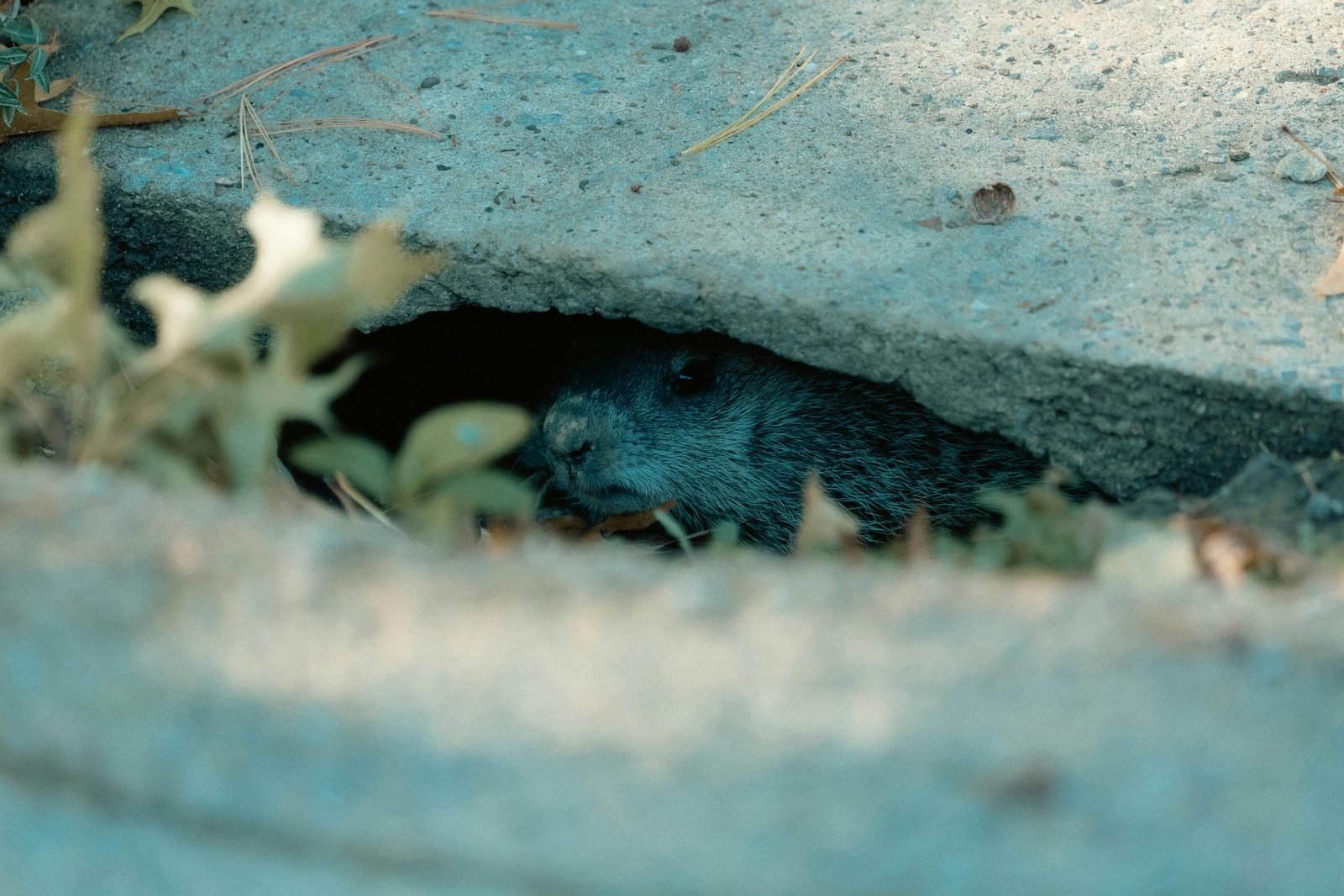
The researchers used camera traps at wombat burrows in dingo-exposed and dingo-absent areas. They presented three olfactory treatments: dingo faeces as a predator cue, rabbit faeces as a neutral cue, or no scent as a control, and recorded behaviours using an ethogram, a list of defined behaviours.
What worked and what didn't
The wombats in both locations showed similar overall response patterns. Dingo scent was more likely to be investigated than rabbit scent, and dingo-exposed wombats were significantly more likely to investigate scent in general than dingo-absent wombats.
What to keep in mind
The abstract does not describe major limitations beyond noting that the work is foundational. It also says the scent investigation is not a direct anti-predator response, but the first stage of threat assessment.
Key points
- Southern hairy-nosed wombats from dingo-exposed areas were more likely to investigate scent cues in general.
- In both study locations, dingo scent was investigated more often than rabbit scent.
- The study used camera traps at burrows with dingo faeces, rabbit faeces, or no scent as treatments.
- The authors say the work adds foundational insight into prey naivety in this species.
- The abstract notes that scent investigation is an early stage of threat assessment, not a direct anti-predator response.
Disclosure
- Research title:
- Dingo-exposed wombats showed stronger scent investigation
- Publication date:
- 2026-04-07
- DOI:
- 10.1071/am25034
- OpenAlex record:
- View
Get the weekly research newsletter
Stay current with peer-reviewed research without reading academic papers — one filtered digest, every Friday.